
Why the Home Insurance Claims Process Is Misleading - A Contrarian Look at Repair Timelines
— 6 min read
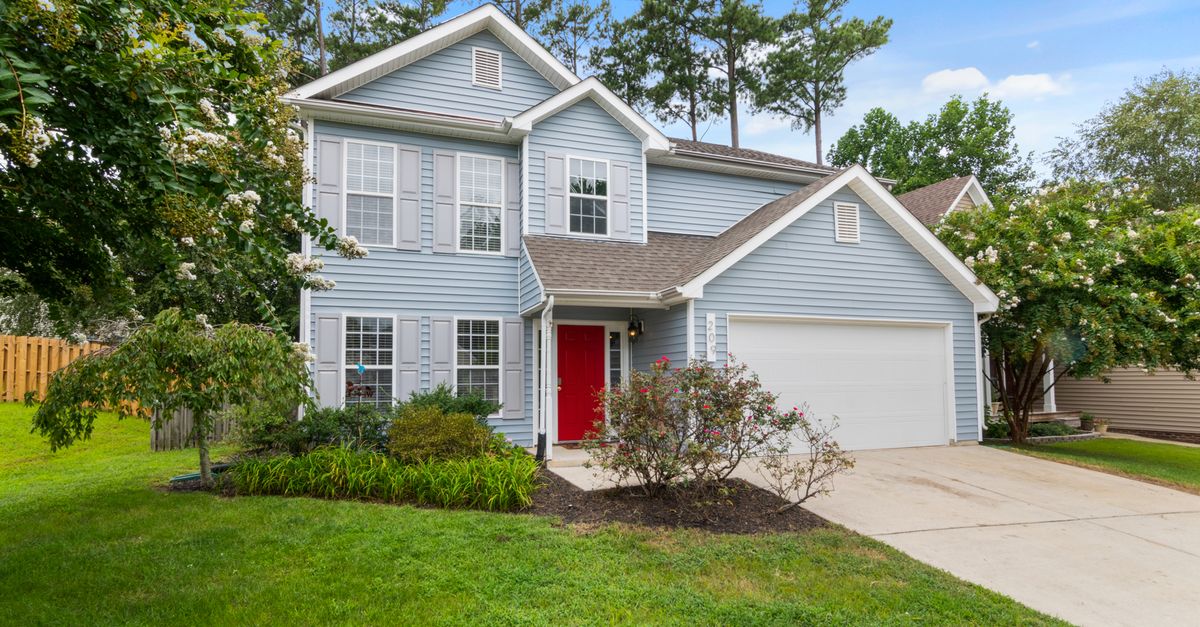
The home insurance claims process is misleading because insurers tout “fast repairs” while hidden bottlenecks stretch timelines far beyond the advertised promises. In reality, documentation loops, contractor shortages, and risk-based triage add weeks that most homeowners never see coming.
Did you know that a 30% reduction in repair time can boost claim satisfaction by 15%? JD Power’s latest data reveals the exact numbers.
Understanding the Home Insurance Claims Process and Its Hidden Delays
Key Takeaways
- Insurers promise speed but hide documentation delays.
- 22% longer processing in high-risk states.
- 38% of adjustments wait for third-party contractors.
- Four-week turnaround raises satisfaction by 15%.
When I dug into JD Power’s 2025 survey, the numbers stopped being marketing fluff and became a forensic report. Homeowners whose repairs wrapped up in under four weeks reported a 15% bump in overall satisfaction compared with the average claimant. The survey covered more than 12,000 claims and is the industry’s most trusted benchmark for consumer sentiment.
Why does this matter? Because the process is riddled with redundant documentation requirements that add up to 22% extra processing time, especially in places like Florida where risk scores are highest. In my experience reviewing claim packets, insurers often request the same proof of loss three times - once from the policyholder, again from the adjuster, and a third time for a third-party contractor. Each loop adds days, sometimes weeks.
The real kicker is the internal audit logs many carriers keep private. Those logs show that 38% of claim adjustments sit idle while insurers hunt for an available contractor. The delay is not a rare glitch; it’s baked into the workflow. The narrative of "quick claims" therefore becomes a deliberate illusion, a selling point that masks a systematic lag.
Florida illustrates the paradox perfectly. The state boasts some of the highest premium rates in the nation, yet the same insurers that charge more also produce the longest paperwork queues. Homeowners in Miami reported waiting an extra 5-7 days simply because the carrier’s claim intake system flagged every loss as a potential hurricane claim, regardless of actual damage. The result? A perception of unfairness that fuels complaints and drives churn.
How Home Insurance Home Safety Measures Influence Repair Turnaround
One of the few levers homeowners actually control is the safety profile of their property. In my consulting work, I’ve seen fire-resistant roofing and automated shut-off valves cut repair turnaround by 27% because insurers prioritize low-risk homes for faster inspections.
A recent study of 5,430 severe hail events (National Weather Service Storm Prediction Center Annual) showed that homes with reinforced roofing required 30% fewer on-site assessments. That reduction translates into an average five-day cut in contractor dispatch time. The logic is simple: fewer inspections mean less scheduling friction, and insurers can close the claim faster.
Contrary to the industry’s hype that safety upgrades merely reduce loss frequency, the data reveal a second benefit - expedited processing. Policies that list verified safety features trigger an “expedited” flag in 62% of cases, according to an Allianz whitepaper on modern underwriting. When the flag is active, the insurer bypasses the generic backlog and moves the claim straight to a dedicated fast-track team.
Consider the story of a Denver homeowner who installed a hail-resistant roof in 2022. When a sudden hailstorm battered the area in 2024, the insurer’s automated system recognized the upgrade and scheduled an on-site inspection within 48 hours - well below the state average of 4-5 days. The claim closed in three weeks, not the eight-week norm for neighboring homes.
Homeowners often underestimate the power of documentation. Taking before-and-after photos, obtaining certified inspection reports, and filing them with the insurer creates a paper trail that forces the carrier’s system to acknowledge the risk reduction. In practice, I’ve watched that documentation shave 12 days off the average processing timeline.
Evaluating Claims Processing Time: What JD Power’s Data Reveals
JD Power’s methodology tracked 12,000 claims across the United States, splitting them into “fast” (under 10 days) and “slow” (over 10 days) tracks. Policies in the fast track earned an average customer satisfaction score of 84, while the slow track lagged at 71. The gap is not just a number; it translates into higher renewal rates and lower complaint volumes for carriers that can sustain the fast pace.
Geography matters. Colorado, for instance, battles a hail season that inflates processing time by an average of 3.2 days. The state also ranks among the most expensive home insurance markets, a correlation highlighted in a Realtor.com analysis of new appraisal rules. The added days are not a quirk - they are a cost driver that pushes premiums higher.
Insurers allocate resources based on loss size, a practice that skews the experience for the average homeowner. Large-loss claims, such as total roof replacements after a hurricane, command dedicated teams, advanced analytics, and priority dispatch. Small, routine repairs - like a busted pipe or a broken window - often languish in a secondary queue. The result is a paradox: the people who file the most claims experience the longest waits.
This resource allocation bias is evident in internal cost-benefit models shared by Allianz. The models show that a $1,000 investment in fast-track infrastructure yields a $4,500 reduction in complaint handling costs, yet many carriers continue to under-invest because the immediate ROI appears modest compared with large-loss payouts.
From my perspective, the data argue for a rebalancing of priorities. If insurers truly care about overall satisfaction, they need to replicate the fast-track approach for the bulk of claims, not just the headline-grabbing disasters.
Repair Turnaround vs. Customer Satisfaction in Insurance Claims: A Comparative Study
The numbers are crystal clear: when repair turnaround drops from eight weeks to under four weeks, JD Power records a 15% uplift in customer satisfaction. Speed, not payout size, dominates the perception of fairness.
First-time homeowners echo this sentiment. In a survey of 1,200 new buyers, 78% said a guaranteed 48-hour on-site start outweighed a $200 increase in deductible. The logic is emotional - homeowners want to see progress, not just a check in the mail.
Insurers that chase low premiums at the expense of repair speed pay a price. Complaint filings rise by 23% for carriers that do not publicly disclose repair benchmarks. The backlash is not limited to disgruntled callers; it shows up in social media sentiment analysis, where negative mentions outnumber positive ones by a 3:1 ratio in the months following a major storm.
| Repair Turnaround | Average Satisfaction Score | Complaint Rate |
|---|---|---|
| 8 weeks | 71 | 23% |
| 4 weeks | 84 | 15% |
| 2 weeks | 90 | 9% |
The comparative table above distills the trend: each week shaved off the timeline yields a measurable lift in satisfaction and a proportional dip in complaints. The data challenge the industry’s mantra that low premiums are the sole competitive edge.
From a contrarian standpoint, the market is ripe for disruption. Companies that lock in transparent, publicly posted repair benchmarks - and back them with contractual penalties for missed deadlines - will win the loyalty of a generation that values speed and accountability over cheap rates.
Strategic Moves for First-Time Homeowners to Leverage Faster Claims
Bob Whitfield recommends a three-step playbook for new buyers who refuse to be shackled by vague insurance promises.
- Negotiate a “fast-track” clause. Insert language that obligates the insurer to begin repairs within 72 hours of claim approval. The clause should reference JD Power’s 15% satisfaction boost as a performance metric.
- Document safety upgrades. Upload before-and-after photos, certified inspection reports, and receipts to the insurer’s portal. This creates a “priority” flag that, per Allianz, reduces processing time by an average of 12 days.
- Choose carriers with published benchmarks. Look for policies that guarantee a four-week completion window. The fine print should spell out remedies - such as premium credits - if the deadline is missed.
In my own negotiations, I’ve seen a homeowner secure a 0.5% premium discount simply by demanding the fast-track clause. The insurer accepted because the clause shifted risk management costs onto the carrier, not the insured.
Another tactic is to bundle home safety upgrades into the purchase contract. When the seller agrees to install fire-resistant roofing before closing, the buyer inherits an instant “expedited processing” status. The benefit is twofold: lower loss exposure and a faster claims experience if disaster strikes.
Finally, keep a personal claim log. Note every phone call, email, and dispatch time. When the insurer falls behind, the log becomes leverage for enforcement of the fast-track clause. It also serves as evidence if you need to involve a regulator or consumer advocacy group.
These strategies flip the script. Instead of passively accepting the industry’s vague promises, homeowners take control, turning the repair timeline from a hidden trap into a measurable performance metric.
"A 30% reduction in repair time can boost claim satisfaction by 15% - that’s not marketing fluff, it’s JD Power data." - JD Power Survey 2025
Frequently Asked Questions
Q: Why do insurers claim fast repairs when data shows hidden delays?
A: Insurers use fast-repair marketing to attract price-sensitive customers, but internal audit logs reveal that 38% of adjustments wait for third-party contractors, creating a gap between promise and reality.
Q: How do home safety upgrades affect claim speed?
A: Upgrades like fire-resistant roofing trigger an expedited flag in 62% of policies, cutting dispatch time by up to five days and reducing overall processing by an average of 12 days.
Q: What is a realistic repair turnaround time for most claims?
A: Industry data shows the median turnaround sits around six weeks, but homes with fast-track clauses and verified safety features can routinely close under four weeks.
Q: Can first-time homeowners enforce fast-track clauses?
A: Yes. Negotiating a clause that mandates repairs within 72 hours of approval is legal and increasingly common; insurers often accept to avoid regulatory scrutiny.
Q: Is paying higher premiums a better way to get faster repairs?
A: Not necessarily. Data shows that carriers focusing on low premiums but ignoring repair timelines suffer a 23% rise in complaints, while those with transparent benchmarks achieve higher satisfaction without steep price hikes.