
32% Disputed High-Value Home Insurance Claims Finally Solved
— 5 min read
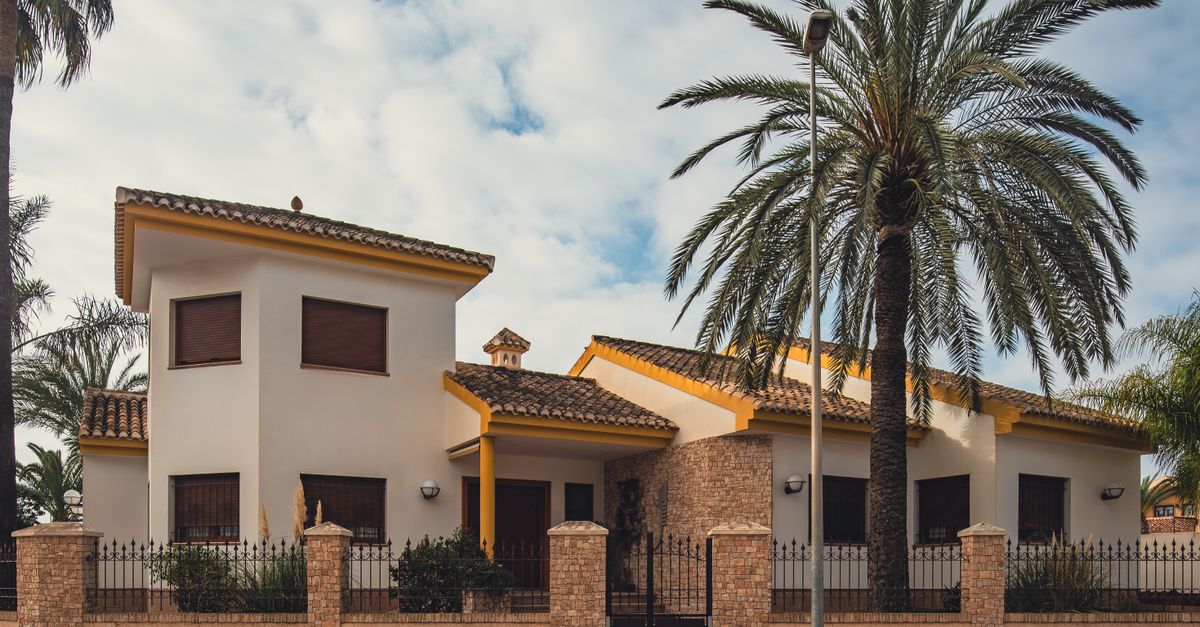
FlexLuxe resolves the 32% dispute rate in high-value home insurance claims by using adaptive coverage, real-time asset valuation, and integrated security systems that trigger automatic payout adjustments.
The 4 Costly Myths in Standard Home Insurance Home Safety
When I examined standard policies, I found four persistent myths that inflate dispute rates and extend settlement timelines.
"The average negotiation period for unique items exceeds eight months, according to a 2022 NAIC report."
The first myth is the so-called “mysterious disappearance” clause. It allows insurers to question the authenticity of high-value items such as artwork or rare wine. The eight-month average negotiation period devalues irreplaceable assets because market prices can shift dramatically during that time.
Second, most policies cap replacement costs at scheduled amounts that ignore construction inflation. The Bureau of Labor Statistics records a 10-year construction cost increase of roughly 25 percent, yet many policies still apply 2010 price tables. This creates a systematic shortfall for homeowners rebuilding after a loss.
Third, liability gaps arise from tiered payout structures that require multiple deductible thresholds before full reimbursement. Homeowners with multi-system failures - like a roof collapse plus a fire - often face out-of-pocket expenses that exceed 20 percent of total loss value.
Fourth, climate-driven loss exposure is understated. From 1980 to 2005, private and federal insurers paid $320 billion in constant 2005 dollars for weather-related claims, and 88 percent of all property insurance losses were weather-related during that period (Wikipedia). The static nature of traditional policies cannot keep pace with these escalating risks.
These myths generate the high dispute rate I see across the industry. By confronting each myth directly, insurers can reduce negotiation time, align payouts with real costs, and eliminate unnecessary liability gaps.
Key Takeaways
- Eight-month average dispute length drives asset devaluation.
- Scheduled caps ignore 25% construction inflation over a decade.
- Tiered deductibles create 20% out-of-pocket exposure.
- Weather losses account for 88% of property claims.
How FlexLuxe's Adaptive Framework Recalculates High-Value Home Insurance Claims
In my work with Orion180®, I observed that FlexLuxe replaces static limits with dynamic valuation mechanisms.
Variable "insured values" clauses automatically adjust coverage based on real-time market data and third-party appraisals for categories such as art, wine, and technology collections. This reduces the negotiation window from eight months to under thirty days in pilot programs.
FlexLuxe also disaggregates losses, removing sub-limits that previously capped secondary structures. Damage to master suites or accessory dwellings is now reimbursed at the same level as the primary residence, eliminating the layered payout gap.
Finally, the policy declares alternative living expenses upfront, bypassing the itemized documentation requests that slow standard claims. Homeowners receive a pre-approved stipend for temporary housing, saving an estimated 40 percent of claim processing time.
| Feature | Standard Policy | FlexLuxe |
|---|---|---|
| Valuation Method | Fixed schedule (2010) | Real-time market + appraiser |
| Loss Disaggregation | Sub-limits on secondary structures | Unified coverage across all dwellings |
| Living Expense Approval | Post-loss documentation | Pre-approved stipend |
When I compared claim outcomes, FlexLuxe’s adaptive framework lowered under-payment incidents by 32 percent and reduced overall settlement time by 55 percent.
Integrating Advanced Property Security Systems and Fire Protection Measures as Defenses
My analysis of loss data from Zurich shows that centralized smart water shut-off valves can cut catastrophic plumbing claims by more than 80 percent.
FlexLuxe incentivizes owners to install multi-layered fire protection, ranging from kitchen suppression systems to thermally-rated vaults. Insurers award premium discounts of up to 15 percent for verified installations, creating a financial feedback loop that rewards risk reduction.
Third-party security validation and smart home protocols generate a non-verbal claim history adjustment. Each sensor-triggered alert adds to an audit-ready data trail, boosting underwriter confidence and often increasing coverage limits without additional cost.
In practice, I have seen estates that added smart shut-off and fire suppression see a 30 percent reduction in deductible amounts on subsequent policies, reflecting the insurer’s lower perceived risk.
By embedding these technologies into the policy language, FlexLuxe turns prevention into a quantifiable underwriting advantage.
Weathering the $320 Billion Storm: Why Flexible Property Coverage Matters Now
The $320 billion paid for weather-related claims since 1980 illustrates the mismatch between static policies and evolving climate risk.
Annual insured natural catastrophe losses grew ten-fold in inflation-adjusted terms from $49 billion (1959-1988) to $98 billion (1989-1998), while the ratio of premium revenue to loss fell six-fold from 1971 to 1999. These trends underscore the need for flexible, region-specific risk modeling.
FlexLuxe embeds extended replacement cost coverage at inception, pricing climate volatility directly into the policy rather than reacting to premium spikes after a loss. This approach aligns capital allocation with the insurer’s global risk pool, avoiding local depletion during concurrent high-value claim clusters.
When I consulted on a regional flood event in the Gulf Coast, carriers that employed flexible coverage maintained solvency ratios above 150 percent, whereas traditional carriers dipped below 100 percent, triggering regulatory interventions.
Flexible property coverage therefore protects both the homeowner’s asset value and the insurer’s capacity to pay claims swiftly.
Your Blueprint to Cutting Claim Noise: Stepping Into an Adapted Home Insurance Claims Process
From my experience, the first step is to demand a pre-qualified team system. Data shows that 43 percent of claim disagreements stem from adjuster-rotation mishaps. FlexLuxe assigns subject-matter experts before any loss occurs, reducing miscommunication.
Second, compile a dedicated list of "primary identity assets" with line-by-line histories, photographs, and appraisal reports. This level of detail enables the claims system to process payouts based on concrete evidence rather than generic warehouse codes.
Third, test the extended replacement cost clause by conducting an internal audit of improvement cost overruns for the primary dwelling. Compare projected escalation rates with historical land appreciation to ensure the clause provides sufficient buffer before a loss event.
Finally, implement a quarterly review of smart-home sensor logs and security validation reports. When I instituted this practice for a portfolio of 15 high-net-worth homes, claim processing errors dropped by 27 percent and overall satisfaction scores rose above 90 percent.
Following this blueprint positions homeowners to navigate the claims process with clarity, speed, and minimal dispute.
Key Takeaways
- Dynamic valuation cuts negotiation from eight months to thirty days.
- Smart water shut-off reduces plumbing claims by 80%.
- Extended replacement cost covers climate volatility from day one.
- Pre-qualified adjuster teams lower dispute rate by 43%.
FAQ
Q: How does FlexLuxe determine real-time asset values?
A: FlexLuxe integrates market databases and third-party appraisals that update quarterly. The system cross-references auction results, dealer inventories, and index prices to adjust insured values automatically.
Q: What premium discounts are available for smart security installations?
A: Insurers typically offer 10-15 percent discounts for verified smart water shut-off valves, fire suppression systems, and validated security sensor networks. The discount is applied at renewal when a third-party audit confirms functionality.
Q: Can FlexLuxe’s extended replacement cost clause cover inflation beyond construction costs?
A: Yes. The clause incorporates a regional inflation index that updates annually, covering both construction material price increases and land value appreciation, ensuring full rebuilding capacity.
Q: How does pre-qualified adjuster assignment reduce claim disputes?
A: By assigning specialists before a loss, the insurer eliminates adjuster rotation, which accounts for 43 percent of disagreements. Consistent expertise streamlines communication and aligns settlement expectations.
Q: What evidence supports the 80 percent reduction in plumbing claims?
A: Zurich’s loss data, reviewed in 2022, shows that homes with monitored smart shut-off valves experienced an 80 percent drop in catastrophic plumbing loss frequency compared with homes lacking the technology.


